
Helping children transition to two-home living after a divorce can take some effort. But keeping their needs at the forefront of your decision-making will allow you to minimize the disruption. Here’s what separated and divorced parents should know.
Recent Posts
Categories
- ADHD & Learning Strategies
- Anger management
- Anxiety
- Child Therapy
- COUPLES INTENSIVES
- Couples Therapy
- Depression
- Divorce
- Eating Disorders
- Healthy Aging
- Learning Disabilities
- Mental Health & Wellness
- Parenting
- Post Partum Depression
- Psychotherapy
- RELATIONSHIP THERAPY
- Relationships
- Romance & Dating
- Self Care
- Stress & Burnout
- Trauma
- Uncategorized

Estimated reading time: 8 minutes
An abundance of evidence shows that kids thrive in loving and stable environments. And which parent does not want this for their family? However, divorce is a life circumstance that can quickly upend those desires. Change injects uncertainty into children’s lives and this is known to trigger anxiety. You might have already witnessed this at the beginning of a new school term, for example. While it’s normal for kids to experience “big” emotions at times, they are also very resilient, and parents can productively tap into this during a separation and/or divorce. You can, in fact, greatly minimize the negativity associated with helping children transition to two-home living with a thoughtful and cooperative approach which keeps their needs mindfully at the forefront.
Communication
Once both of you have agreed to end your relationship, your first task should be to tell the kids. Depending on their age, this could be a pivotal moment they will never forget. Ideally, they should hear this news from both of you together. Do not leave them to find out from a classmate or another adult. Find an opportune moment for this discussion as early in the process as possible. Having it well before the physical move will give the kids time to absorb and process the upcoming changes. They will ground themselves once they’ve created a mindmap of what their day-to-day living will look like.
Be mindful not to have this talk just before bedtime, or close to a special occasion like a birthday. You should also avoid adding it as an extra stressor during exams or at the beginning of a school term.
The words you use will be important and so will the tone of your voice, body language and demeanour towards each other. Your kids will likely ask why this is occurring and older children may push for specifics. The truth works best but set clear rules about not laying blame or engaging in acrimony towards each other. Neutral statements work well, for example, “We have grown apart and want different things at this stage“, or “We hoped it would not come to this, but it’s how we can all be happy.” You do not need to go into details about the failure of your relationship. Rather, focus on reassuring your kids that you will continue to love them even if you have fallen out of love with each other. Above all, emphatically let them know they are not to blame.
The Transition to Two-Home Living
The most comforting thing you can offer your children from here on is stability, predictability and some modicum of control. Even if you are still negotiating access and parenting schedules, continue highlighting everything that will remain the same. You will still be a family but live in two homes. Perhaps they will continue at the same school with existing friends and attend their regular extracurricular activities. Help them visualize how their life will fit into the change of homes in a practical way.
Share specifics with them when you have more details to offer. To that end, you could involve them in the selection process for the new house or apartment. Could they choose their own room decor? Let them decide which toys will remain where. Take them shopping for essentials like clothing, toiletries and school supplies that you will require in both homes. Perhaps you could put them in charge of creating an equitable schedule for fun nights with each parent. This could include a movie or game night, or dining at their favourite restaurant. Empowering your children can reduce their stress and help turn this sombre event into a positive new beginning for all of you.
Resources For Helping Children Transition to Two-Home Living
Two-home families are not unusual for the times we live in. Consequently, parents have access to more resources than ever for helping transition children to two-home living after a divorce. Books for younger children include:
Alex has two homes, one with mommy and one with daddy. She also has two bedrooms, two comfy chairs, and friends to play with at each house. Despite the fact that Alex’s parents are divorced and she has two of everything, one thing remains constant, no matter where she is: she is so very loved. For children of divorced families, this reassuring book addresses the things children “gain” during a divorce – and the things that will never change when parents separate.
by Claire Masurel and illustrated by Kady MacDonald Denton.
Standing on my Own Two Feet: A Child‘s Affirmation of Love in the midst of Divorce
In simple terms, with short text and bright pictures, this sweet book tells the story of one child who understands that he has two homes and divorced parents. While sometimes he wishes they all still lived together, he knows that won’t happen. But what he also knows is that no matter where he lives, or who he is with, his parents love him and that won’t ever change. Just as he has two strong feet to ground him, he also has two strong homes to live in. Ages 3 and up.
By Tamara Schmitz
Changeover Days
Separated couples describe changeover days as the hardest for children when two-home living begins. Arrival and departure routines take time to break into. Also, single parenting will see you carrying full responsibility on the days the children are with you. You may notice the kids feeling sad or guilty about leaving one parent for the other. Remember that they cannot express their emotions rationally like adults. With younger children, emotional burdens can manifest as tantrums and meltdowns. Helping your children transition to two-home living with flexibility and compassion in the early days can help.
Some couples find changeovers easier at school rather than drop-offs at the other parent’s home. This allows for quick and pleasant goodbyes in the morning, as the kids run off to be with their friends. And when the other parent picks them up, they won’t have the grief of seeing one parent driving away.
Remember that both places should feel like home to your children. To that end, having some continuity between the two will go a long way in practically helping children transition to two-home living. For example, stock up on their favourite snacks in both homes. Ensure they have access to other items of comfort, like toys, books, etc. Also, both parents should establish workable routines for bedtime, waking up, bathtime, homework and chores. You do not have to regiment them like the military. Just know that children require some structure, stability and predictability to keep them calm and feel secure, safe and stable.
The Risk of Triangulation
Children are very perceptive and will keenly notice any anger or frustration you harbour for your ex-partner. In some families, this can turn into a dangerous and emotionally damaging environment. “Triangulation” occurs when one parent uses children as pawns to punish, threaten and manipulate the ex-partner.
Examples include asking children to spy on the ex or using them to convey messages instead of direct communication. Adults also triangulate by confiding in their children and seeking comfort from them. This manipulative behaviour creates an imbalance that drives kids to feel sorry for that parent. In doing so, it also germinates antipathy toward the other parent. Nothing can be more unnatural and confusing to a child than being forced to divide their loyalties in this way. The resulting trauma can overload their senses and impact them well into adulthood. Anger impulse control, anxiety, depression and the ability to form healthy relationships could thereafter, become life-long struggles.
Also, children rarely have the maturity to be adult confidants. Many unhealthy behaviour patterns arise when they are elevated to this “powerful” position. They lose respect for authority, play one parent against the other and get away with things they normally wouldn’t otherwise. To help children find love, stability and a safe harbour in a two-home lifestyle, the most important thing parents could do is to interact in a cooperatively, respectful and civil manner with each other, particularly in front of the kids.
Technology for Two-Home Families
If common forms of communication, like talking or texting do not work for you, then utilize technology to help you along. Here are a few apps our clients have found useful.
- Dcomply: exclusively for co-parents, allows you to track shared expenses and upcoming events with your child.
- FamCal: A shared family calendar to keep track of events, share photos, create tasks and track essential dates
- Our Family Wizard: helps keep track of parenting schedules, payments and reimbursement schedules. It also facilitates better dialogue between co-parents with a “tone meter” that translates the mood of your texts.
When To Seek Professional Help
Transitioning kids to two-home living can be tumultuous for all family members and conflicts can continue well after the physical separation. Speaking to a family member or trusted friend can help you vent or find a different perspective. Debt and finances could also become brand-new challenges after a divorce. Could a credit counsellor help?
If high conflict, and in particular, triangulation has become part of your family dynamic, seek professional help right away. Regulated therapists undergo 6 – 10 years of post-secondary education specifically focusing on the complex dynamics of human relationships. This gives them an excellent insight into the emotional health of their clients. Therapists who specialize in family therapy can provide direction and solutions with proven evidence-based techniques. They are also trained to support clients non-judgmentally, with positive language and a safe place to explore their challenges.
Your kids may end up living in two homes, but they only have one childhood! Helping children transition to two-home living after a divorce can take some effort. But keeping their needs at the forefront of your decision-making will allow you to minimize the disruption.
If this blog was helpful, would you consider rating it?

Written By:
Rebecca Loucks
Rebecca Loucks is a Therapist and Managing Director at Beaches Therapy Group, serving clients for over 15 years.
learn more about this authorBook a Consultation
It’s easy and free!
Related Posts

October 9, 2026
September has receipts. By now, you know which routines stuck, what has settled and what still feels hard. Here’s a …

September 30, 2026
When school starts feeling harder than it should, the signs aren’t always obvious. From homework battles and difficult mornings to …
March 4, 2025
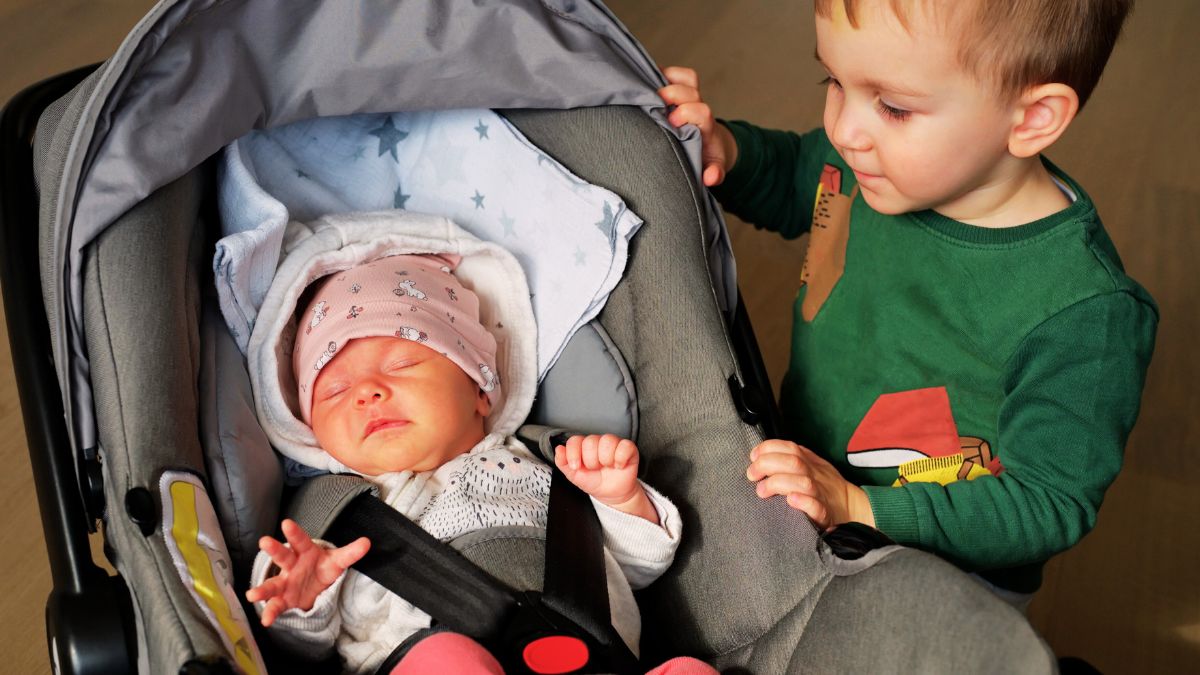
Are you ready to tell your toddler about the new baby? Congratulations! Preparing your toddler to be a sibling is …